
Ant control in Media becomes a serious concern every spring, and understanding why can help homeowners get ahead of the problem before it starts.
Why Ant Problems Get Worse Every Spring
Spring ant invasions in the Philadelphia-area suburbs follow a predictable cycle driven by Pennsylvania's freeze-thaw weather pattern. Throughout winter, ant colonies enter a dormant state called diapause to survive cold conditions. As soil temperatures rise in late February and March, those colonies wake up fast and forage aggressively.
Here is what makes the spring surge worse in Media and the surrounding Delaware County area:
- Pennsylvania's repeated freeze-thaw cycles crack foundations, sidewalks, and exterior walls, giving ants new entry points each year.
- Snowmelt and early spring rain create damp soil around foundations, ideal for colony expansion.
- Ants that nestled into wall voids or crawlspaces during fall may begin exploring living spaces the moment indoor temperatures rise slightly.
- Kitchens, basements, and bathrooms are typically the first rooms affected because they offer easy access to moisture and food.
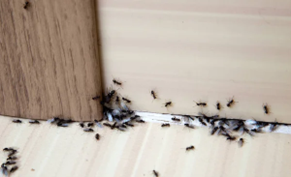
Once a scout ant finds a food source inside, it leaves a pheromone trail that guides hundreds more back to the same spot. A minor sighting can become a major infestation within days.
Why Preventive Ant Control is Better Than Reactive Treatment
By the time most homeowners notice consistent ant trails, the colony is already well established. Treating before spring warms the soil disrupts foraging activity before it begins.
Professional ant control services targeting the local area focus on exactly this approach:
- Spring treatments catch colonies while they are still hungry and more likely to carry bait back to the queen.
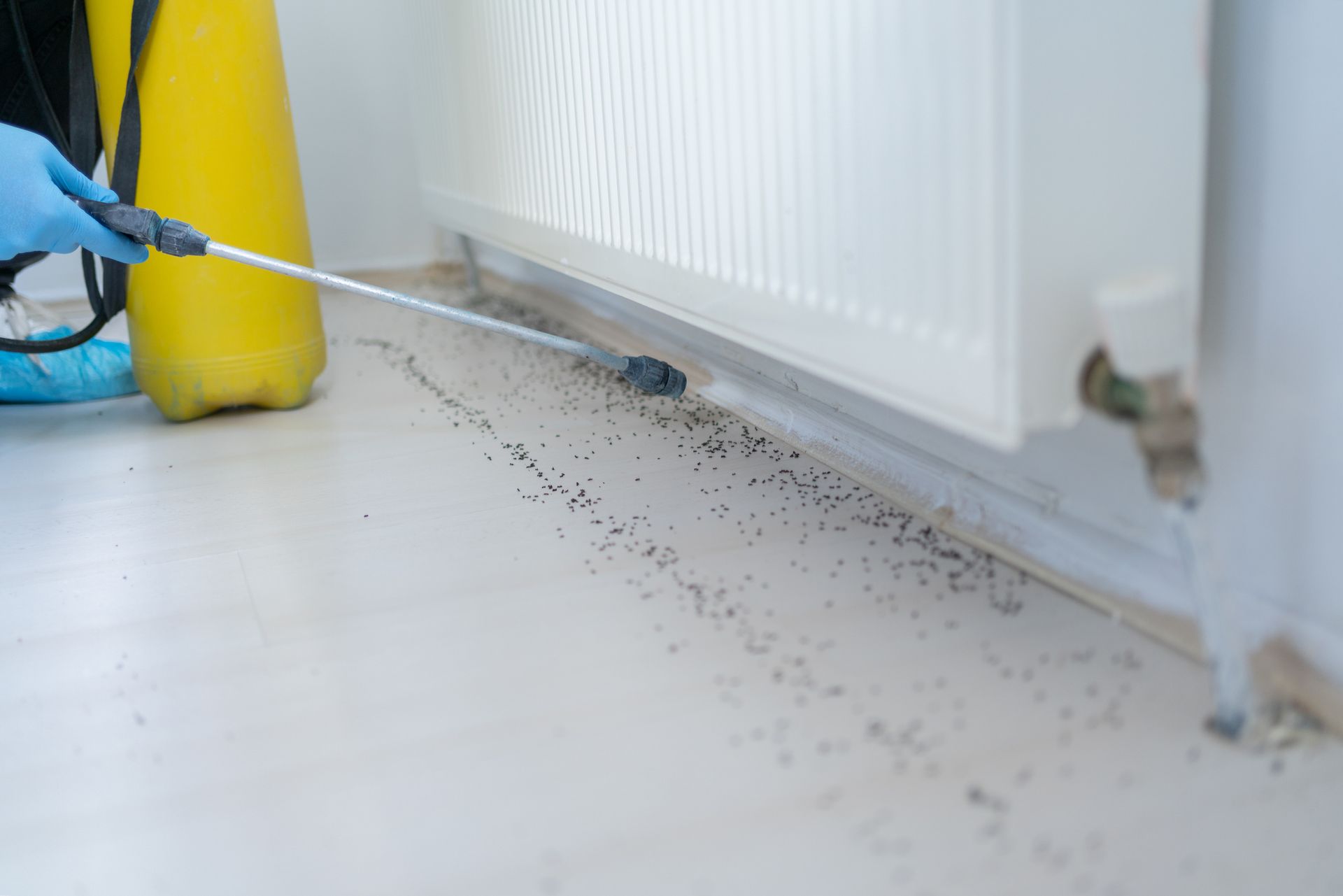
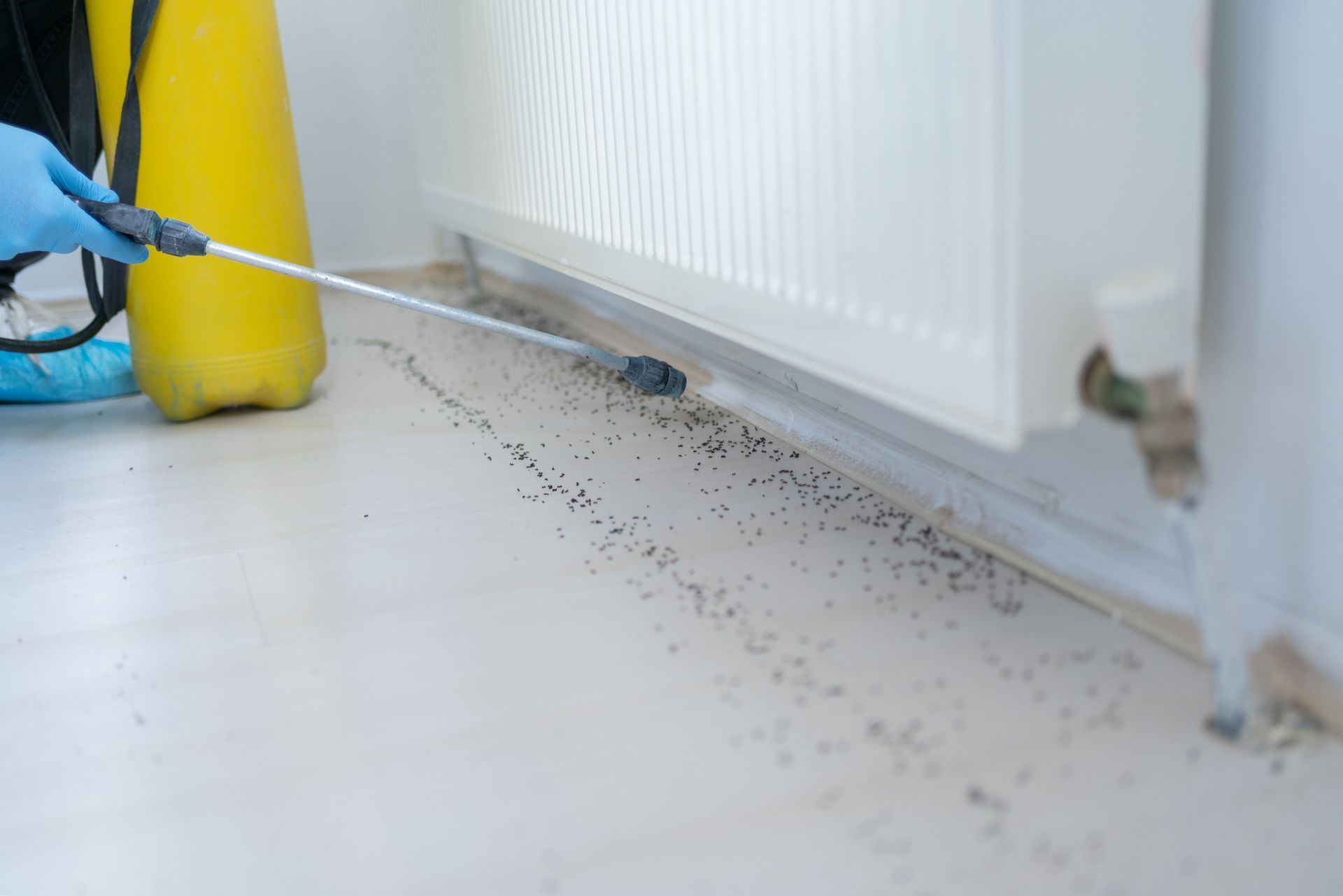
- Barrier treatments applied before peak foraging season prevent ants from establishing indoor satellite colonies.
- Customized plans address specific entry points and nesting conditions around each home.
- Over-the-counter sprays may kill surface ants but often cause colonies to split and relocate deeper inside the structure.
What Signs Should You Watch for in Early Spring?
Watch for small ant trails near baseboards, around plumbing, and along south-facing walls. Increased moisture from snowmelt combined with the warmth of a heated home can trigger activity as early as March, even when outdoor temperatures still drop near freezing at night.
What Common Ant Species Affect Homes?
Odorous house ants and carpenter ants are among the most frequently reported species in the greater Philadelphia area. Carpenter ants nest in damp or damaged wood, while odorous house ants often form multiple satellite colonies indoors, making them particularly difficult to eliminate without professional treatment.
Ant prevention is most effective when treated as a year-round strategy rather than a one-time response. Scheduling a professional inspection before spring temperatures stabilize can significantly reduce the likelihood of a full infestation by summer.
Ready to Get Ahead of Ant Season?
Holmes-based Modern Exterminating & Termite Control Co. proudly serves Media, PA, and surrounding Delaware County communities with targeted ant control solutions designed to stop infestations before they begin. With over seven decades of local experience, our team understands the seasonal patterns that make spring a critical window for treatment. Call us at (610) 586-5525 or visit Modern Exterminating & Termite Control Co. Google’s Profile to read what your neighbors have to say.