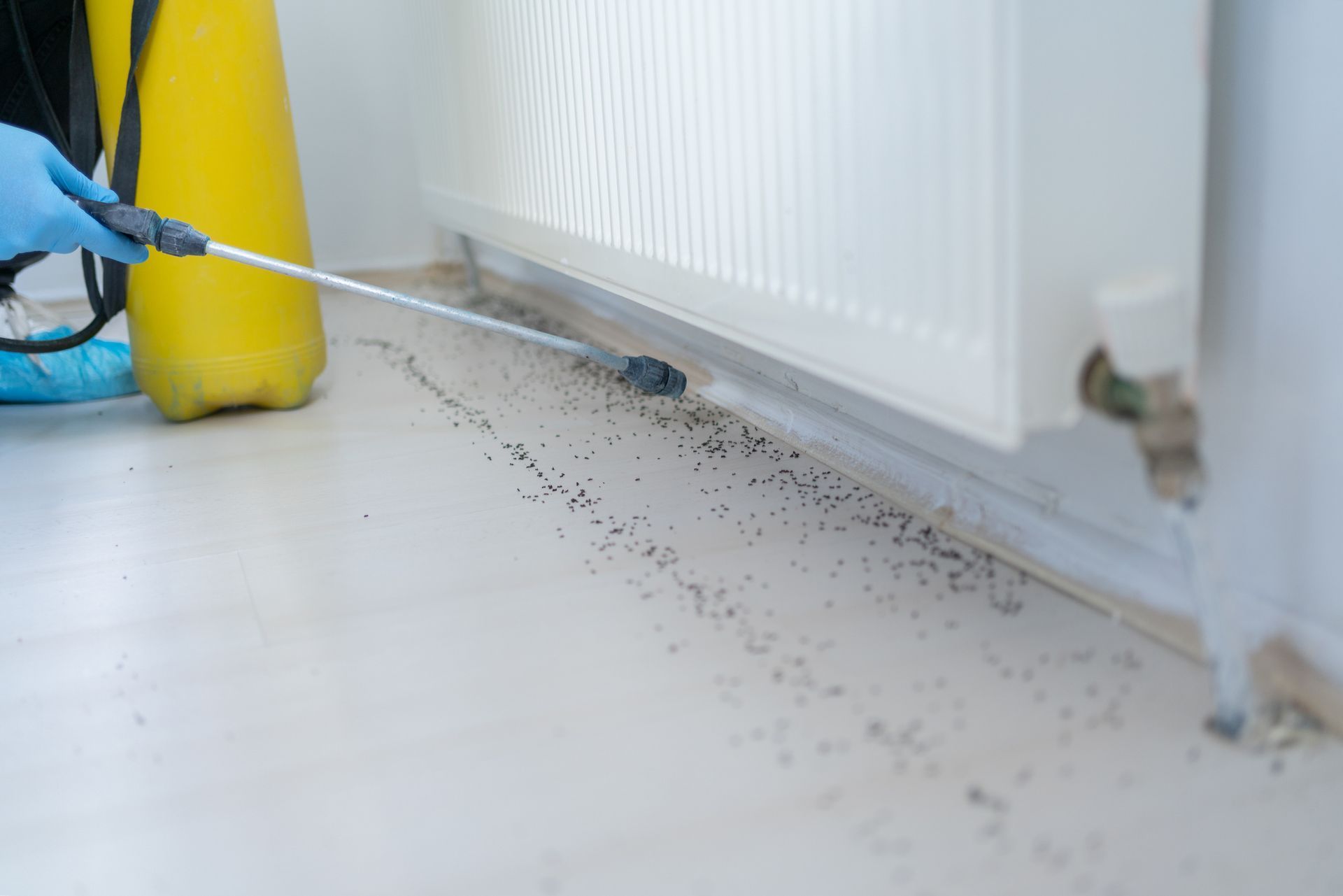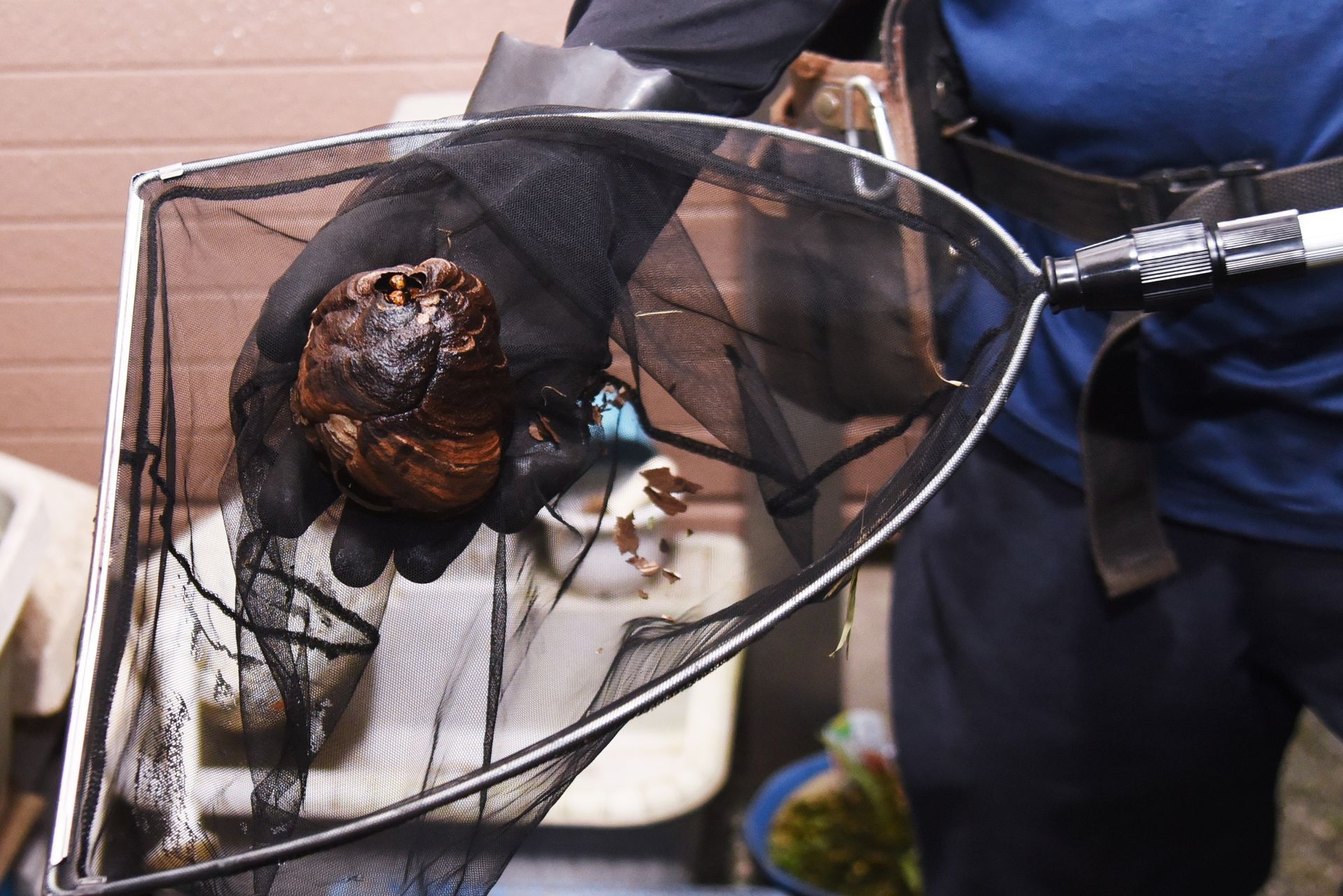

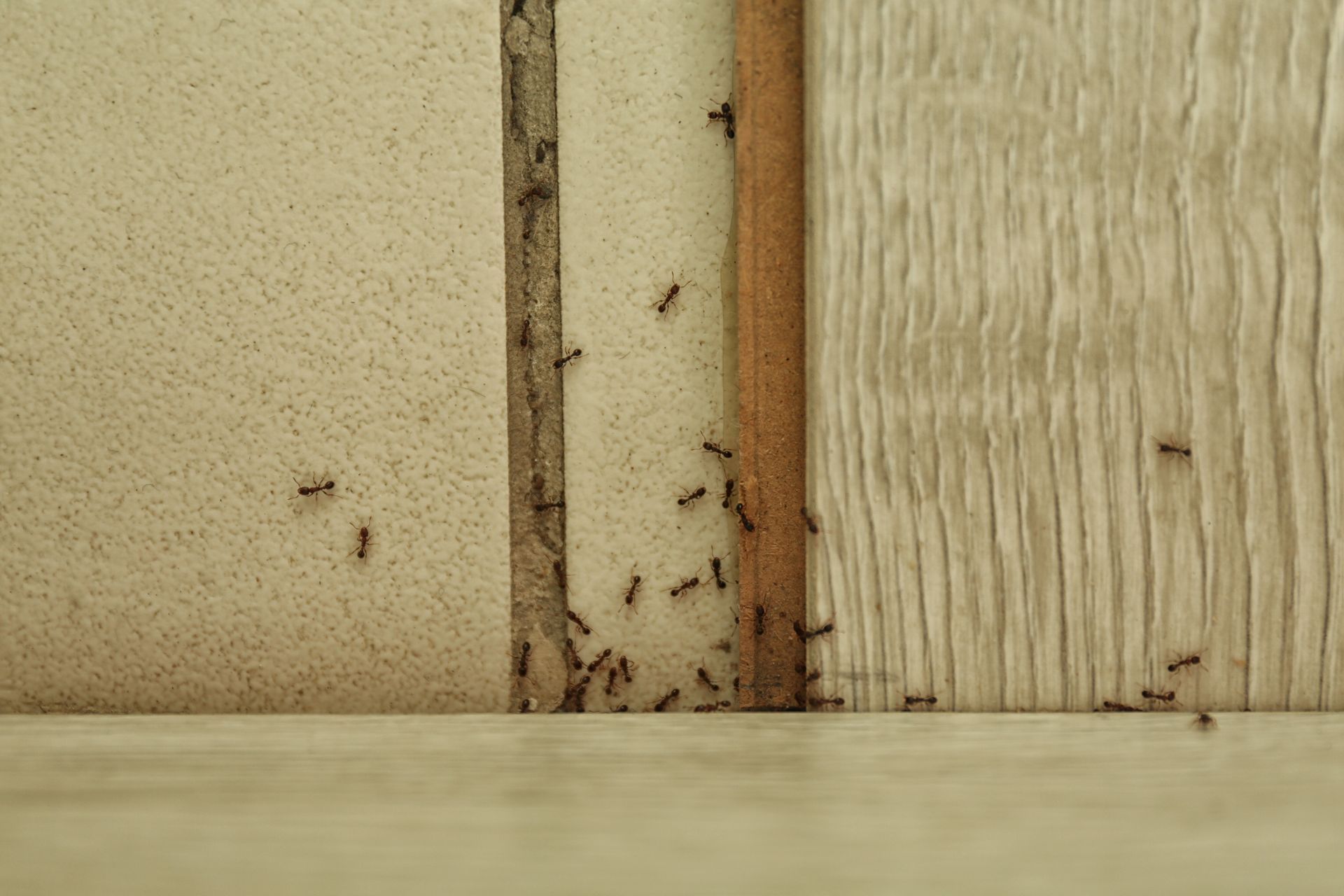
Ant infestations can quickly become a serious nuisance in both homes and businesses, making ant control a top priority for Bryn Mawr, PA residents. Ants are highly social insects that live in structured colonies, often hidden from plain sight, which allows them to multiply rapidly before their presence is even noticed. Understanding the types of ants common to your area, their feeding habits, nesting preferences, and daily behaviors is essential for effective management. For instance, sugar ants are often attracted to crumbs, sugary spills, and unsealed food, leading them to invade kitchens and pantries, while carpenter ants seek out damp or decaying wood to establish nests, posing potential structural damage. Fire ants, on the other hand, construct mounds in yards and can deliver painful stings that may trigger allergic reactions. By studying the specific characteristics and life cycles of these ants, homeowners can implement targeted strategies such as removing food sources, sealing entry points, and monitoring likely nesting areas, all of which form the foundation of successful ant control. Knowledge of ant behavior not only helps in controlling existing infestations but also plays a critical role in preventing future problems, ensuring that homes remain safe, sanitary, and structurally sound.
Stop Ant Infestations Fast: 7 Common Ant Species and How to Control Them
Ant infestations are more than just a nuisance; they can damage structures, contaminate food, and spread bacteria. Identifying the species is crucial for effective ant control in Bryn Mawr, PA, because each type has unique behaviors, nesting habits, and preferred food sources.
Here are seven common ant species found in homes and businesses, along with practical control strategies:
- Carpenter Ants: Large ants that tunnel through wood, often causing structural damage. Look for sawdust-like debris near wooden areas and fix moisture issues. Professional treatment may be necessary for severe infestations.
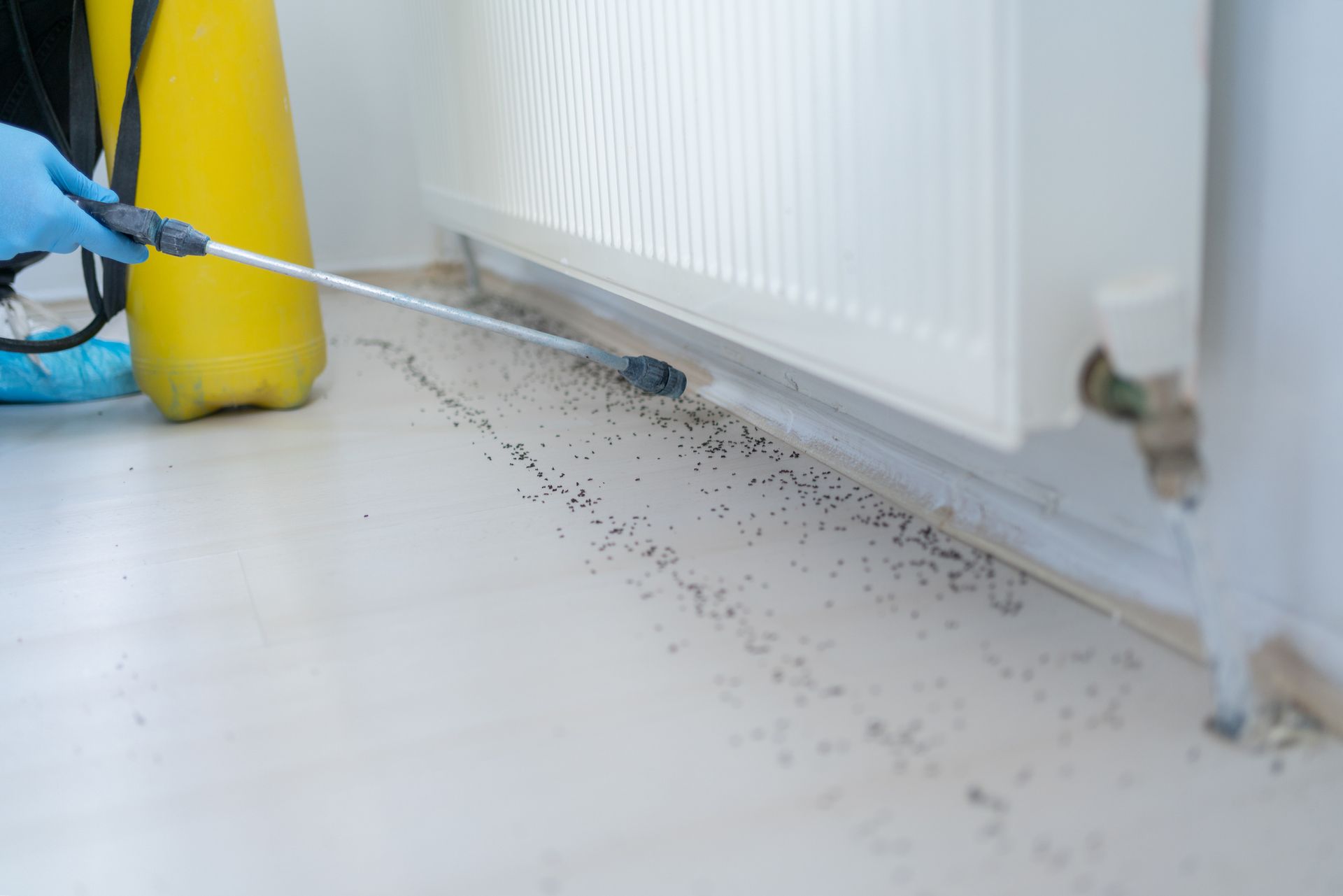
- Sugar Ants (Odorous House Ants): Small ants attracted to sugary foods and spills. Keep counters clean, store food in sealed containers, and place bait traps along their trails.
- Pavement Ants: Frequently nest under sidewalks, patios, or foundations. Seal cracks, repair pavement gaps, and consider outdoor ant granules to prevent colonies from spreading indoors.
- Thief Ants: Tiny ants that invade pantries, often stealing other insects’ food. Maintain strict kitchen hygiene, store food tightly, and clean crumbs immediately.
- Argentine Ants: Aggressive and highly invasive, forming large colonies. Eliminate standing water, prune overgrown vegetation near the home, and use bait stations consistently for control.
- Odorous ants: Named for the strong, unpleasant odor they release when crushed. Regular cleaning, removing food crumbs, and sealing potential entry points can prevent infestations.
- Field Ants: Primarily outdoor ants that can wander indoors, especially in search of water. Trim back bushes and tree branches touching the home, fill cracks in foundations, and monitor for trails.
By understanding the habits and vulnerabilities of each species, homeowners and businesses can implement targeted prevention and control strategies. Regular inspection, cleanliness, and timely interventions are the keys to keeping your property free of ants and minimizing long-term damage.
Understanding Ant Habits and Nesting Locations
To effectively prevent and control ant infestations, it’s essential to understand their habits and where they like to nest. Ants are highly adaptable insects, and different species prefer different environments depending on food availability, moisture, and shelter. Knowing their behaviors can help you target prevention strategies more effectively.
Key habits and nesting locations include:
- Moisture-Loving Areas: Many ants, such as carpenter ants, prefer damp or rotting wood, leaking pipes, and areas with water damage.
- Kitchen and Pantry Spaces: Sugar ants and thief ants are attracted to crumbs, spills, and improperly stored food.
- Outdoor Nests: Pavement ants and field ants often build colonies under sidewalks, patios, lawns, or tree roots.
- Hidden Crevices and Wall Voids: Odorous ants and other small species can nest inside walls, behind baseboards, or under floorboards.
- Gardens and Mulch Beds: Some species prefer soil, mulch, or compost piles where they can safely build colonies.
- Seasonal Movement: Certain ants move indoors during extreme weather, such as heavy rain or cold temperatures, in search of food and shelter.
By identifying where ants are likely to nest and understanding their foraging behaviors, homeowners can take proactive steps to block entry points, remove attractants, and implement targeted ant control measures.
Why Different Ants Require Different Control Strategies
Not all ants are created equal, and understanding their unique behaviors, diets, and nesting habits is key to effective control. Using a one-size-fits-all approach often fails because each species responds differently to treatments. Tailoring your strategy ensures faster, long-lasting results and prevents re-infestation.
Here’s why different ants require different control methods:
- Feeding Preferences: Sugar ants are drawn to sweets, while protein-loving ants may target pet food or insects. Using the wrong bait type can make control ineffective.
- Nesting Habits: Carpenter ants nest in wood, odorous ants prefer hidden crevices, and pavement ants often live under sidewalks. Treatment must target the nest's location.
- Colony Size and Structure: Some species, like Argentine ants, form large super colonies that require continuous baiting, whereas smaller colonies can be controlled with localized treatments.
- Indoor vs. Outdoor Behavior: Certain ants primarily stay outside but forage indoors; others spend their entire life inside. Knowing their movement helps determine whether indoor or outdoor control is needed.
- Seasonal Activity: Some ants are more active during specific seasons or weather conditions, affecting when and how treatments should be applied.
Don’t let ants invade your home or business. Understanding their habits is key to effective control. Take action now with strategies designed for each ant species. Contact us today to protect your property and keep it ant-free.